How many ‘Guide to X city’ TikToks do you have saved in a folder on your phone? How many Instagram carousels have you flipped through looking for the newest hidden gem to frequent? When was the last time you had a unique thought and just booked a trip with no information and followed your feet instead of an influencer’s aesthetic itinerary?
I’m not saying our lives and tastes are dictated by social media, but also… kind of? You woke up at 4am to avoid the crowds, you donned your most effortlessly trendy outfit, you got the photo and posted it on your story. Job done.
But what did you actually see?
It’s beginning to feel like our trips aren’t ours anymore. They belong to some weird hive mind where we all just do and see the same things.
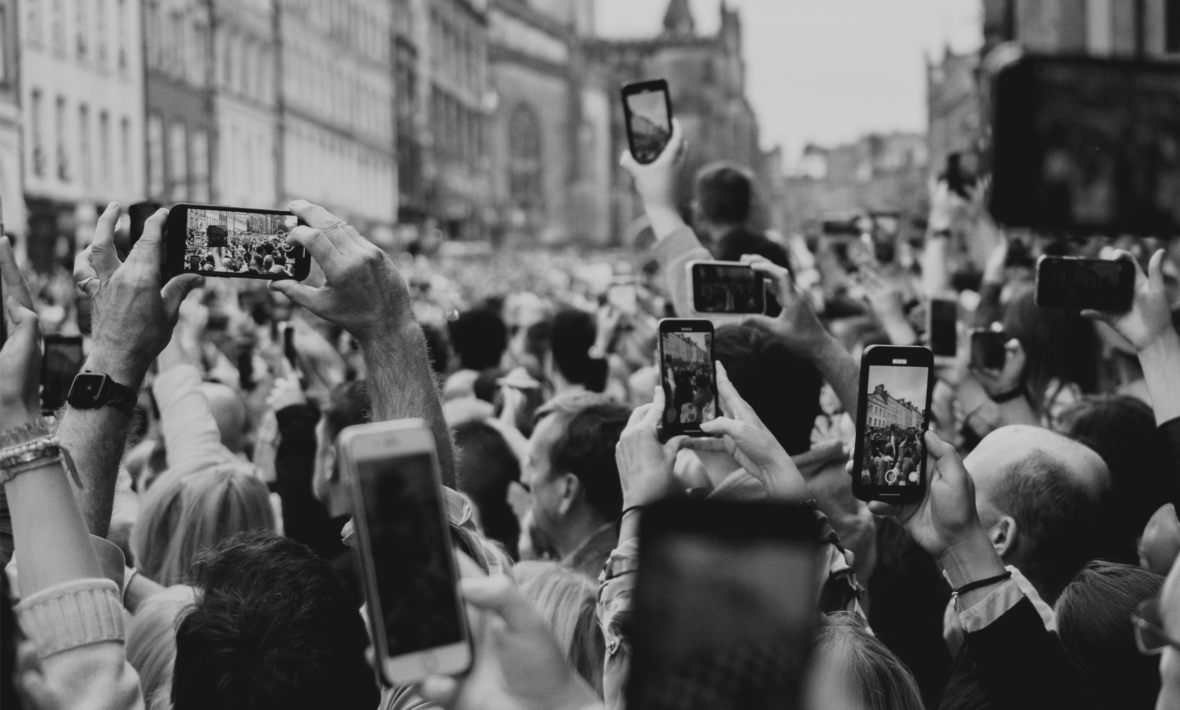
Are we all travelling just to take the same photo?
The farce of it all
The homogenisation of the internet, particularly Gen Z’s corner of it, isn’t just happening in travel but also fashion, literature and anything that involves aesthetics or experience. Trends have the same lifespan as a moth, everyone’s reading the same five books and we’re all concerned about posting a photo dump that evokes both relatability and envy in our followers.
This behaviour begs the question: do we actually know what we want? Or who we are? And if we’re constantly not thinking and just following trends, will we ever find out?
At least if you can travel to Bali and take a wanderlust Jay Alvarrez-style photo on the Ubud Jungle Swing, people will guess you’re awesome and cultured and you can hide behind your uncertainty a little longer.
But, remove the aesthetics and what do you have?
Anti-intellectualism and risk aversion
Could this internet buzzword be to blame? Anti-intellectualism, broadly speaking, can be boiled down to the belief that fewer and fewer people are willing to engage meaningfully with ideas. There’s a sort of reluctance to challenge yourself, to think outside of the box (or, depending on who you ask, think critically at all). Is this mindset beginning to influence how we travel, too?
Listen, planning a trip can be really hard, especially if you’re heading somewhere totally different to your home base, and for many, a holiday is precisely the time to turn your brain off. It’s easy to turn to ChatGPT and have it plan something for you (although a trip planned by experts with the itinerary sorted for you and plenty of free time sounds better to me…) or to TikTok travel trends. If people like it, why shouldn’t you?
Not to mention, Gen Z suffers a significant lack of resources (annual leave and budget), driving them to follow trends that guarantee a good time so that these minimal resources aren’t wasted; in turn reducing the willingness to risk the road less travelled.
In a world increasingly defined by an overworked and underpaid generation, heading off the beaten-track could be too much of a risk. And if I don’t have cool photos to show for my trip, did I even go? Did it even count?
An attempt to connect
In a strange paradox, social media has managed to connect the entire world, yet also completely isolate people. On top of that, there’s an increasing lack of third spaces (areas that are not your work or home where you might spend time, i.e. a coffee shop) and a growing chasm separating people from regular human interaction.
Community isn’t a guarantee anymore. You have to go out and get it in real life. Social media offers ready made communities for you to just dive right into. A 2025 survey ran by Oxfam revealed that 49% of Gen Z feels lonely, and Contiki’s own 2025 Voice of a Generation survey revealed that 63% of Gen Z travel to avoid burnout. Seems this “hustle culture” people love to yap about on socials isn’t really working out. We want to feel connected and we want to turn our brains off – is that too much to ask?


If we’re all reading the same books, wearing the same clothes, going on holiday to the same places, then we all have something in common. And that gives us something to talk about and bond over. Could that be why we’re all taking the same photo? In a bid to experience the same thing and feel connected?
In a way, though, travel is really the antidote to all of this. Social travel, especially, comes with a built-in itinerary and a group of people to meet and explore the world with. You can all take the same picture, but also encourage each other to embrace the unknown.
One size doesn’t fit all
Surprise, surprise.
It’s easy to sit here and poke at Gen Z’s failings, as if all the other generations preceding us didn’t also have issues. Plenty of people fail to take in the bigger societal context, which I’ve tried to illustrate above, and also fail to recognise the shift, which I’ll illustrate here.
Scroll far enough through TikTok (yes, ironic) and you’ll find a plethora of content tailored specifically to you. Shelby’s Cafe Diary, for example, has done a series on the platform where she breaks down Tokyo into tailor-made experiences to suit your specific interests. A fan of music? She’s got a unique itinerary for you. A fan of anime? She knows where you have to go. She’s just one option out of thousands of creators who are encouraging people to see more.
Reddit has also proved its worth as the people’s platform. If you want honest reviews and tried-and-tested trips that aren’t a copy and paste of every influencer, look no further.
Prologue of analogue
Increasingly, Gen Z is becoming more fed up with technology. NBC news (and many other channels) covered this generation’s general discontent and the desire to live in simpler times.
If you look beyond the scathing headlines about laziness and unemployment and whether you should bring an iced coffee to a job interview or not, you’ll notice that Gen Z are actually trying to make a shift. Phoebe Bridgers has just launched her phone-free world tour (again, in search of connection with her audience), digital and disposable camera sales are BOOMING and the outrageous behaviour of streaming platforms has led to people returning to collecting vinyls and DVDs (hello, Criterion Closet).
And with the general surveillance vibe that the tech bros are bringing to the world, I think it’s safe to assume that most people will begin using social media in a different way and prioritise their privacy a lot more.
We’re all taking the same picture. So what?
In an effort to not be so bleak, I want to say that it doesn’t really matter. Your time off is yours and if you want to hop the same Greek islands as everyone else or see the Eiffel Tower for the fifth time because you love it so much, by all means do.
When I travelled to Japan last year I visited all the hot spots. I felt like a tourist, but, hello, I was a tourist. I climbed Fushimi Inari and I had ramen at Ichiran – and guess what, I took pictures of both and had the best time of my life.
So, who cares if it wasn’t a unique experience?
I think the key is to try and challenge yourself. For every not-so hidden gem you visit, try to take a detour. Speak to locals and ask them where they like to go, or just make sure that every photo you snap for the ‘gram also comes with a long moment of observation where you actually take it all in.