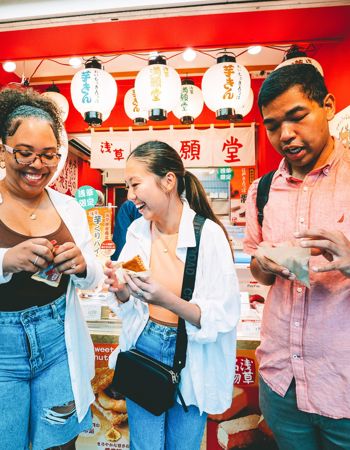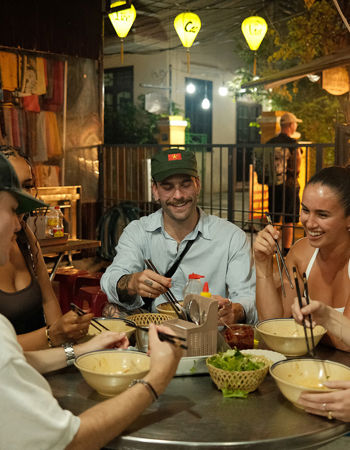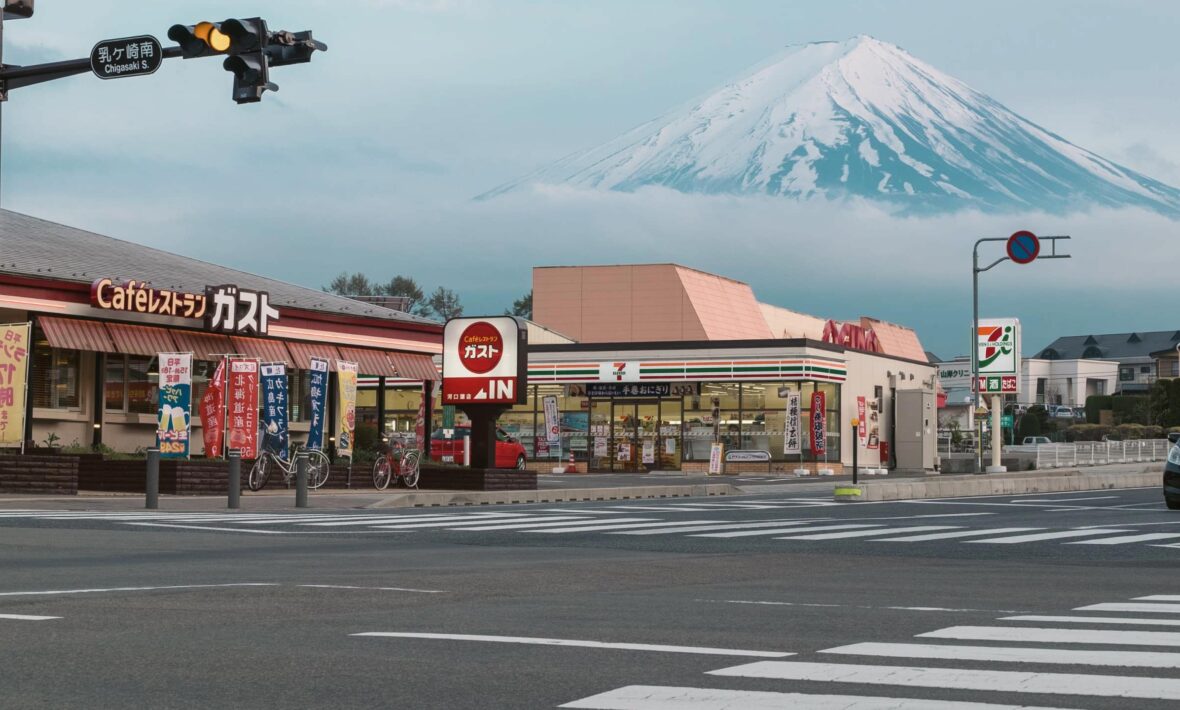
You’d be forgiven for thinking the internet has already spoiled Japan’s best bits.
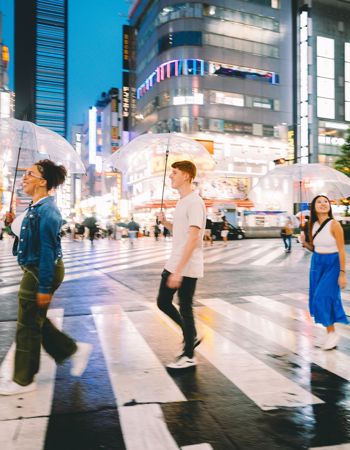
From convenience store hauls to Shinkansen rides, the country’s greatest hits have been replayed millions of times across our FYPs. Before you’ve even booked a flight, you’ve probably watched someone raiding a Lawson, treading Shibuya Crossing or capturing all 12,389 feet of Mount Fuji on a 6.3 inch screen from a bullet train window.
Yes, social media is very good at showing us what Japan has to offer. What it’s not showing is why those moments stay with you.
After recently travelling there, I realised they all had something unexpected in common. Whether I was sitting at a sushi counter, grabbing a quick bite from a convenience store or checking into a ryokan, I kept noticing the same thing: a quiet commitment to care, craftsmanship and doing even the most ordinary things exceptionally well.
That’s the part of Japan a 30-second edit fails to capture.


Eating sushi feels like a theatrical experience
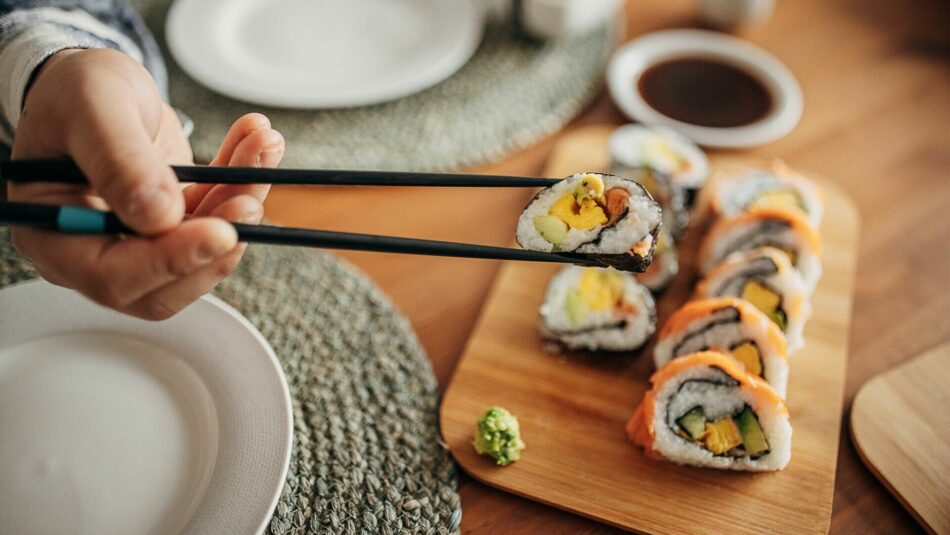
Image source: Contiki
You can tuck into great sushi almost anywhere in the world, including pricey Michelin-starred Japanese restaurants thousands of kilometres from Tokyo. But the meal that completely changed the way I thought about sushi happened inside a tiny izakaya in Tokyo’s Monzennakacho neighbourhood.
There were about a dozen seats and the chef hardly spoke, but every movement felt intentional – from the way he shaped the rice to the exact placement of each slice of fish. No one even reached for extra soy sauce because every piece had already been seasoned to perfection. The sushi arrived one piece at a time and everyone ate it straight away. Here, timing mattered just as much as taste.
Somewhere between the first and last bite, I was watching decades of practice unfold in front of me.
Japan has a word for it: shokunin. It translates to “craftsperson”, but it’s more a way of life – a commitment to mastering one craft and improving it a little every single day.
It was my first glimpse into the philosophy I’d end up noticing everywhere in Japan.
Convenience stores live up to the hype
I’ll be honest. I was skeptical.
I’d consumed countless videos of konbini (a local term for the 24/7 convenience store) – with people on TikTok ranking the best egg sandwiches or debating 7-Eleven versus FamilyMart versus Lawson. I put it down to internet hyperbole.
That was before I landed in Japan.
What started as a quick stop for bottled water at Lawson in Narita Airport turned into 20 minutes of me comparing onigiri fillings, picking up hot coffee that rivalled a trendy neighbourhood favourite and wondering why a plastic-wrapped sandwich tasted better than some café lunches back home.
In Japan, convenience doesn’t seem to come at the expense of quality. The same care that goes into a Michelin-starred sushi counter is also found in 7-Eleven’s humble egg sandwich or a perfectly wrapped onigiri.
Even the packaging has been thought through. Pull the tabs in the right order and the seaweed stays perfectly crisp until the very last bite.
Most countries wouldn’t think twice about a detail that minute. Japan does.

Trust the (Shinkansen) system
Everyone goes on about how fast the Shinkansen is. But travelling from Tokyo to Kyoto, I found speed was the least interesting thing about it.
As Tokyo’s skyline slowly faded into rice fields and sleepy little towns, I did what everyone else was doing — glued myself to the window, waiting for that perfect glimpse of Mount Fuji. Somewhere along the ride, though, I stopped chasing the postcard moment and started noticing everything else.
People queued exactly where the doors would open. Nobody rushed. Nobody pushed. A cleaning crew reset an entire carriage in minutes before bowing to passengers as they stepped off.
Everything worked with such quiet precision that you stopped thinking about it altogether. And that’s what stayed with me.
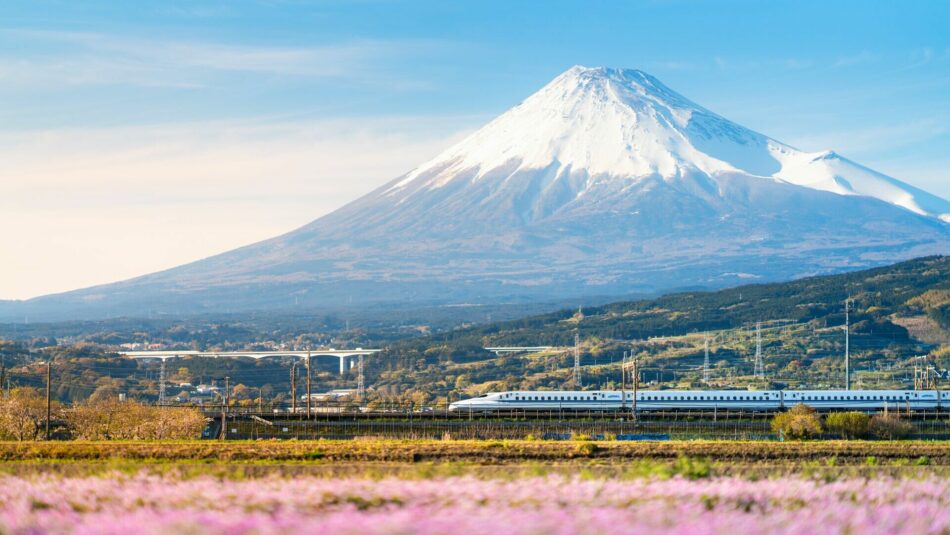
Image source: Contiki
The Shinkansen isn’t remarkable simply because it’s (very) fast. It’s remarkable because it asks almost nothing of you. It just works.
For a country often described as a place of contrasts, it felt surprisingly consistent. The same care I’d seen at a sushi counter is also built into public transport.
A ryokan is the ultimate soft reset
After a few days in Tokyo, a night at a ryokan feels like someone pressing pause.
I slipped off my shoes at the door, changed into a yukata and before I knew it, a cup of hot tea was already waiting for me. Dinner arrived one appetising course at a time, I soaked in the onsen and somewhere along the way, I realised I hadn’t looked at my phone in hours.
No, I hadn’t planned to spend an evening away from my phone. It just happened.
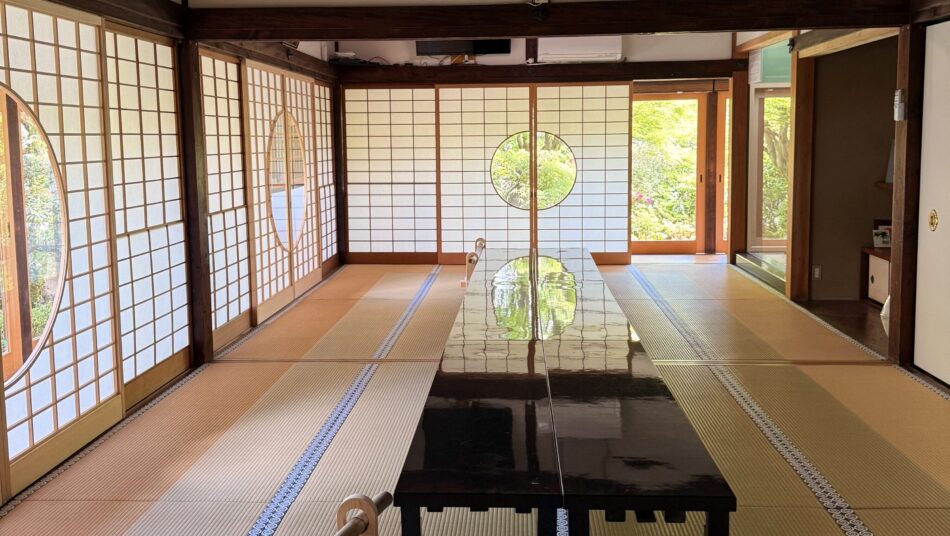
Image source: Riyanka Roy
What struck me most wasn’t that the ryokan felt old-fashioned. It was that, in one of the world’s most technologically advanced countries, slowing down felt just as intentional as speeding up.
That’s what stayed with me. The ryokan wasn’t trying to impress me with luxury. It quietly reminded me how good it feels to slow down.
Japan never asks you to choose between the old and the new, tradition and innovation. It simply gives both the same level of care.
Expectation might just be Japan’s real superpower
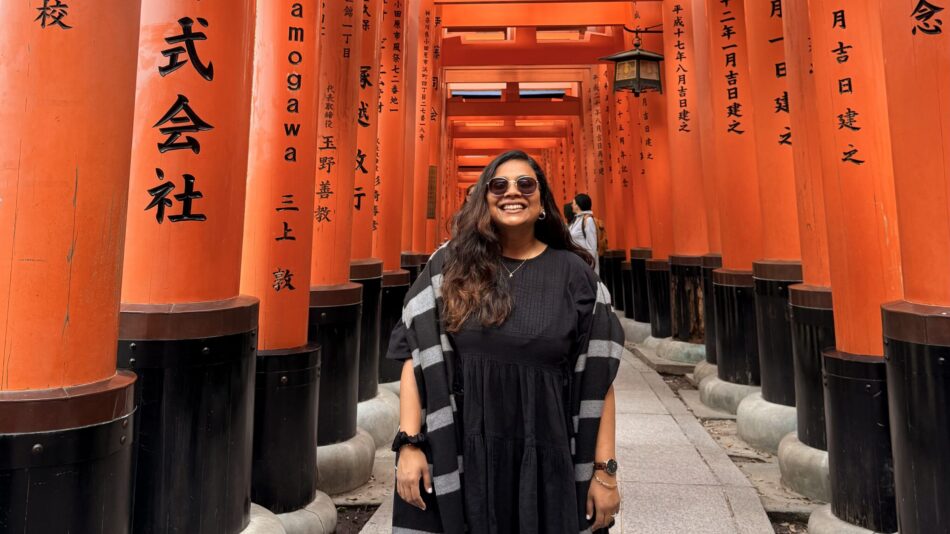
Image source: Riyanka Roy
Before this trip, I thought Japan’s magic was in its contrasts: ancient temples beside glass skyscrapers, tea ceremonies alongside bullet trains.
I don’t think that’s quite it.
What stayed with me wasn’t how different those experiences were. It was what they had in common. Whether it was a sushi counter, a convenience store, the Shinkansen or a ryokan, they all reflected the same quiet belief that ordinary things deserve extraordinary care.
Maybe that’s why Japan never feels overhyped. Social media is brilliant at showing you what to expect.
It just can’t show you why it all feels so memorable once you’re there.
Ready to experience Japan hype IRL? Book with Contiki and leave the hard work to us