Vietnam is a travel destination that has the range. One minute you’re cruising past neon-lit cities on a motorbike, the next you’re wandering through misty mountain valleys, sipping coffee that’s strong enough to make you forget about all of your life problems.
It’s a country that doesn’t really fit into one box. Ancient traditions live side-by-side with fast-moving modern life, street food stalls rival fine dining, and mountain getaways can easily turn into relaxing beach stays. Plus, it’s a shopper’s paradise!
We don’t need to convince you to book a holiday to Vietnam, but in case you wanted to brush up on some fun facts before your visit, or for your next trivia night, we’ve got you covered!
15 fun things to know about Vietnam
Image source: Contiki
1. Vietnam was historically spelt as two words
Once upon a time, the country’s name was written as two separate words: Viet Nam. You’ll still spot this older spelling in historical texts and even on some official documents. It’s a small detail, but it hints at the country’s long and layered history.
2. You can see President Ho Chi Minh’s body on display in Hanoi
In Hanoi, you can actually see the preserved body of revolutionary leader Ho Chi Minh at the Ho Chi Minh Mausoleum. It’s a solemn, fascinating experience, so expect queues and a strict dress code.
Ho Chi Minh was the first president of the country after post World War II independence. Affectionately known as Uncle Ho, he died in 1969. His body has been preserved and displayed in a mausoleum in Vietnam’s capital city, Hanoi, despite his wishes to be cremated and have his ashes scattered in the hills of the north, center, and south of Vietnam.
The Mausoleum is open to visitors for most of the year, except from October to December, when Ho Chi Minh’s body undergoes annual preservation maintenance.
3. Vietnam is home to the largest cave in the world
Adventure lovers, this one is for you! Vietnam is home to Son Doong Cave, the largest cave on Earth. It has its own jungle, river, and weather system inside. Like, clouds can actually form inside.
It was also only fully explored in 2009, which makes it feel even more like one of the planet’s last great discoveries. A local woodman Ho Khanh had previously discovered the entrance in 1990 when seeking shelter from a storm, but later forgot it’s exact location. In 2008, Ho Khanh rediscovered the cave entrance after searching for it again at the request of British cave experts, and in 2009 a team of British-Vietnamese experts formally surveyed the cave, identifying it as the world’s largest.
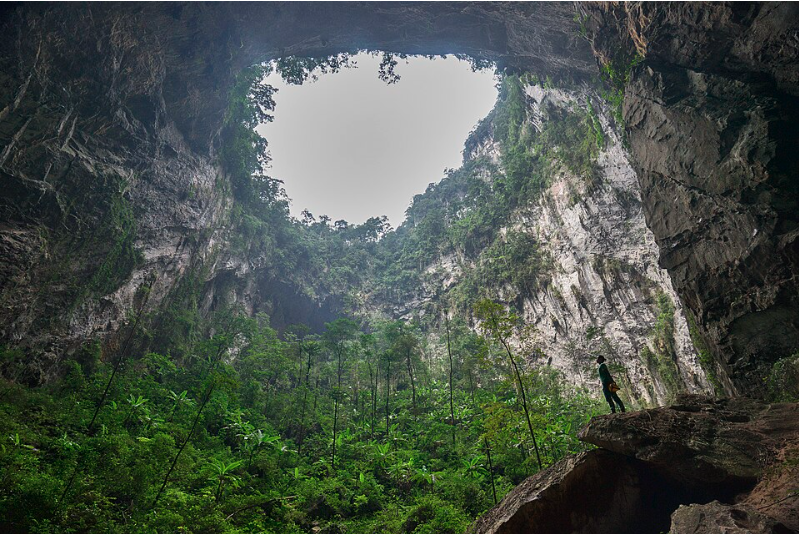
Image source: Wikipedia/Creative Commons
4. Vietnam is a nation shaped by rivers
Water is at the heart of everything in Vietnam. The country is woven together by thousands of rivers, with giants like the Mekong River and Red River shaping daily life in a big way.
Down south, the Mekong Delta is a maze of waterways where life happens on the river: think floating markets, boats piled high with tropical fruit, and entire communities built on water. Up north, the Red River has been feeding rice fields for centuries, helping turn Vietnam into one of the world’s biggest rice producers.
5. Vietnam is actually the second largest coffee exporter in the world
Obviously Brazil holds strong as the biggest coffee exporter but Vietnam also takes their beans very seriously! Expect a different type of coffee in Vietnam: think strong, sweet, and often served with condensed milk, or even egg yolk if you’re feeling adventurous.


6. As well as the largest exporter of cashew nuts in the world and the largest exporter of black pepper
Love cashews? Thank Vietnam. It’s the world’s largest exporter of cashew nuts and black pepper, meaning there’s a good chance your pantry already has a little taste of Vietnam in it.
7. Drinking snake wine is believed to improve health and vitality
Yes, it’s exactly what it sounds like. Snake wine is a traditional tonic, made by infusing venomous snakes (often cobras) in rice wine for several months. It’s believed in local folklore to possess medicinal properties and improve health and vitality.
Whether you sip or just snap a photo is entirely up to you!
8. The literacy rate in Vietnam is over 97%
Vietnam boasts a literacy rate of over 97%, with that rate having stood at over 90% for the last 20 year.s Education is highly valued and the high literacy is attributed to focused, consistent government investment in education.
9. Vietnam’s food philosophy is based on five elements
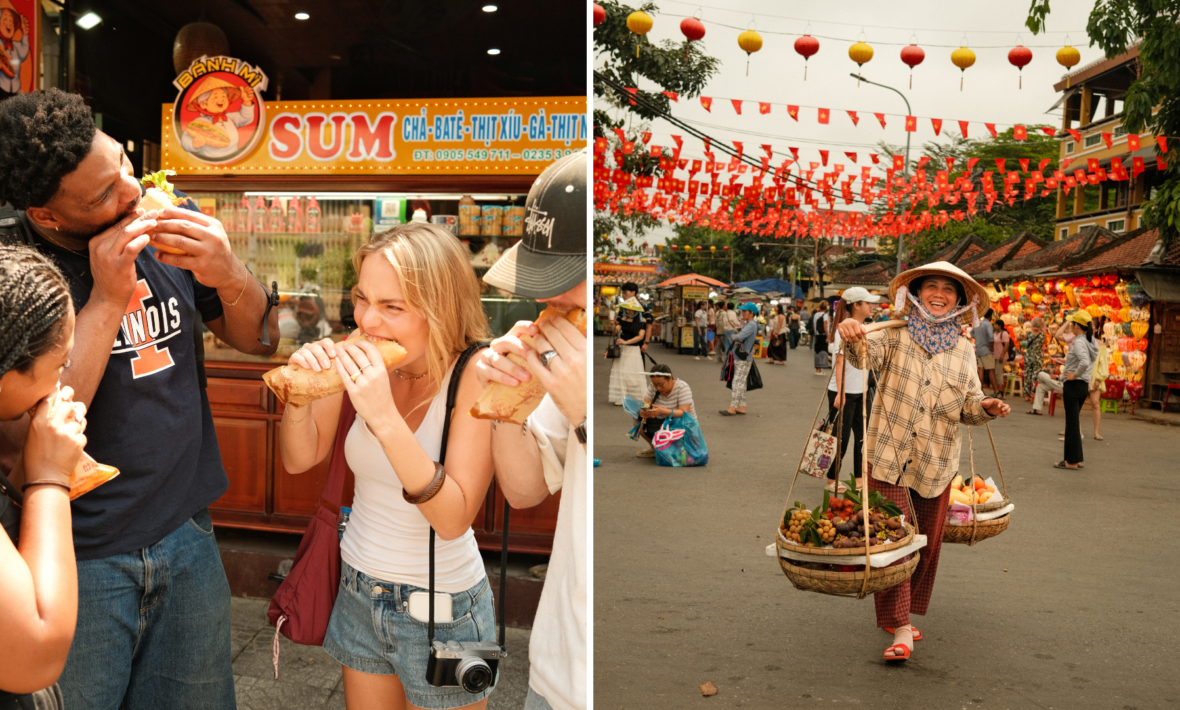
Vietnamese cuisine isn’t just delicious: it’s philosophical. Traditionally, Vietnamese cuisine is guided by five elements, each tied to a flavour profile: spicy (metal), sour (wood), bitter (fire), salty (water), and sweet (earth). The goal isn’t for one taste to dominate, but for all of them to work together in perfect sync.
It’s this obsession with balance that makes Vietnamese food so addictive. Nothing feels too heavy, too rich, or too overpowering: it’s all about creating that just-right combination.
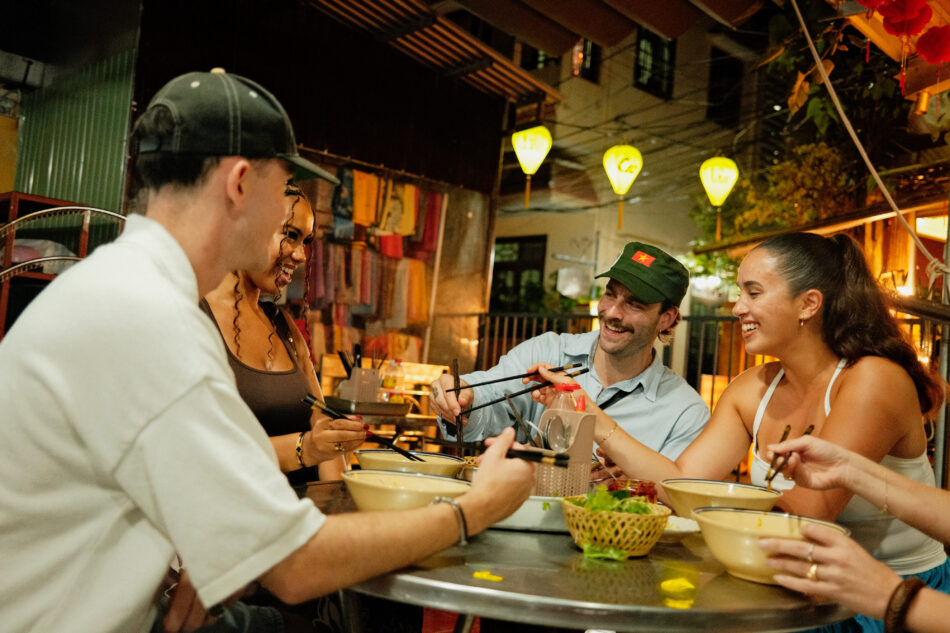
Image source: Contiki
10. The turtle is an important symbol in Vietnamese society
The turtle is a powerful symbol in Vietnamese culture, representing longevity, wisdom, and strength. You’ll see turtle imagery in temples, legends, and even around Hanoi’s famous Hoan Kiem Lake.
11. A mental health certificate is required for marriage registration between a foreigner and Vietnamese citizen
If you’re planning an international love story in Vietnam, there are a few extra admin steps to tick off. Authorities may request medical documentation, which can include a mental health certificate.
It’s all part of ensuring both parties are entering the marriage voluntarily and are legally capable of doing so. Requirements can vary depending on location and individual circumstances, so it’s always worth double-checking the latest rules before planning your big day.
12. Vietnam is the land of two wheels
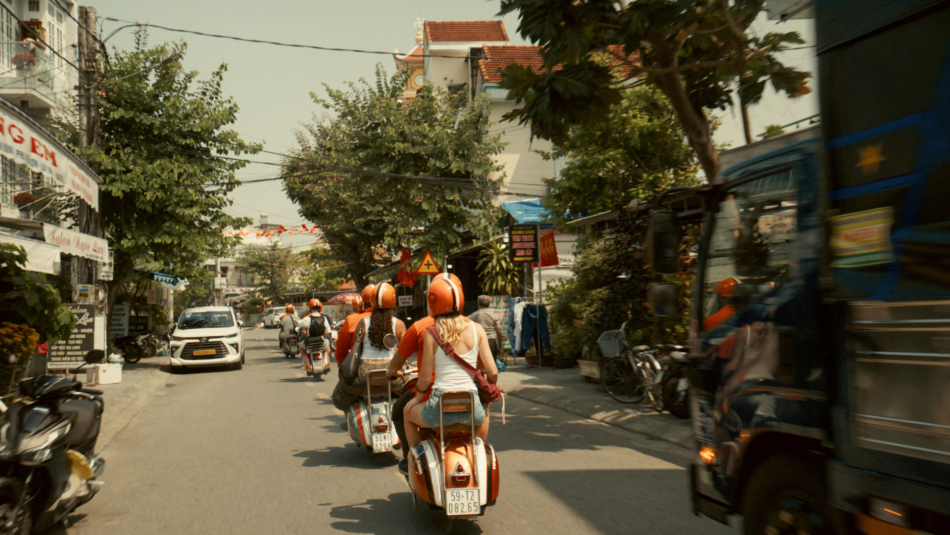
Image source: Contiki
Vietnam practically runs on motorbikes. As of 2026, there are over 77 million bikes on the road, making up about 95% of all vehicles. That’s roughly 770 bikes for every 1,000 people… so yeah, basically everyone and their grandma has one.
And they’re not just for getting from A to B. These things do everything. Think families of four cruising together, entire furniture sets being transported, or stacks of boxes defying gravity as they weave through tiny alleyways. It’s chaos, it’s impressive, and somehow it all works.
Petrol bikes still dominate, but electric scooters are having a moment too, with sales seriously picking up in 2026.
Pssst… Wanna experience Vietnam by motorbike or vespa? Luckily we have just the trip for you.
13. The Vietnamese may have been the first original speed daters
The hill tribes in Sa Pa were the original speed daters, with market days turning into ‘love markets’ where would-be couples came together to sing, dance, and play music and games. The descendants of nomadic tribes originally from Southern China would arm themselves with musical instruments and head to the local market where they’d generally share the joys and struggles of everyday farm life. The markets, then in turn, became their very own dating ritual.
14. Nguyen is the most common surname in Vietnam
Nguyen (pronounced “win”) is the most common surname in Vietnam, but there’s a big reason behind it and it all comes down to a mix of history, politics, and a little bit of self-preservation.
Back in the day, Vietnam went through several dynasties, including the powerful Nguyen Dynasty, which ruled from the early 1800s until 1945. When a new dynasty took over, it wasn’t unusual for people to adopt the ruling family’s surname: either to show loyalty or to avoid unwanted attention.
At various points in history, people also changed their surnames to Nguyen to escape political persecution, blend in socially, or align themselves with those in power. Fast forward to today, and Nguyen is less about royal connections and more about sheer probability.
15. Sometimes there is actually snow in Vietnam
You don’t usually equate Vietnam with snow but it CAN happen! While most of the country stays warm and humid year-round, the far north, especially mountainous areas near the Chinese border, can get cold enough for snowfall during more severe winters.
Places like Sapa and Ha Giang occasionally transform into misty, frost-covered wonderlands between December and February. On rare occasions, actual snow falls, turning rice terraces and hilltop villages into something that looks straight out of a fantasy movie.
That said, it’s pretty unpredictable, so if you’re chasing those snowy vibes, you’ll need a bit of luck on your side. Either way, even without snow, the cooler mountain air and moody fog make northern Vietnam feel completely different from the steamy south.
Wanna come explore Vietnam with us? Find out more about Contiki’s Vietnam trips here.