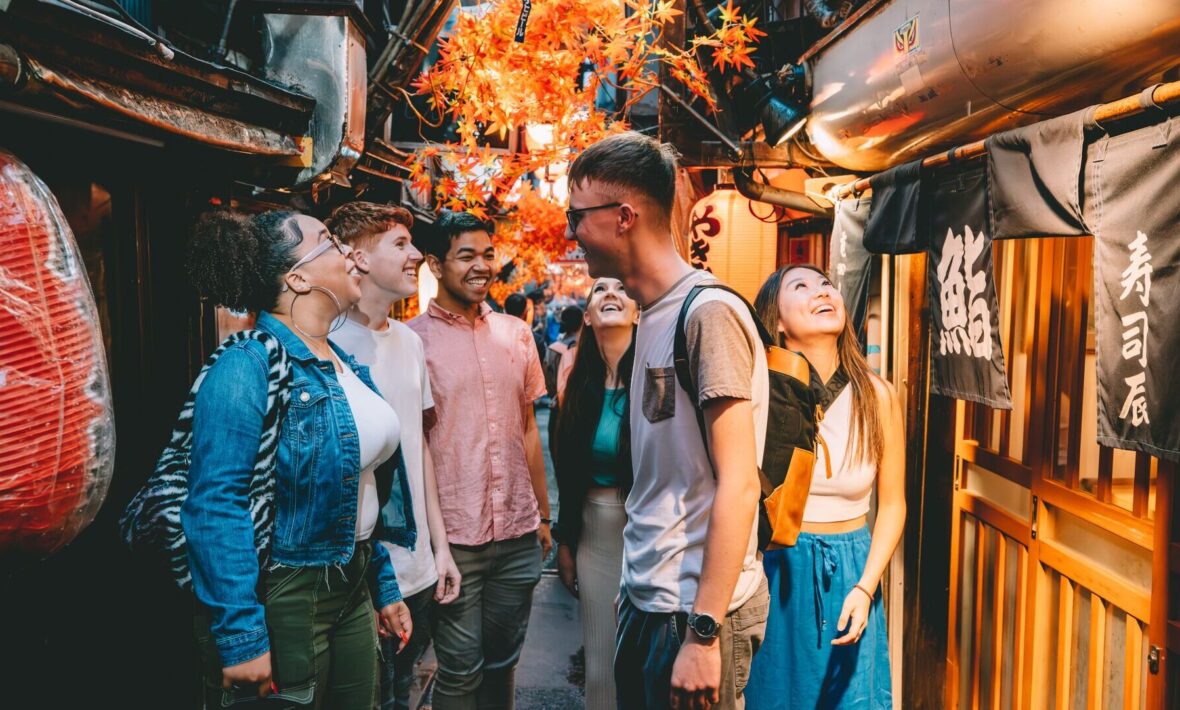
Let’s get controversial for a second: the best time to visit Japan isn’t actually peak cherry blossom season.
Sure, the pink petals are iconic. But between the packed parks, sky-high hotel prices and crowds that feel more music festival than tranquil hanami moment, spring in Japan can feel a little stressful if you’re trying to detox from everyday life.
So if you really want to experience the country at its best, we have a savvy move for you: aim for shoulder season instead.
Think fewer crowds, better prices, and a version of Japan that feels a little more like it’s letting you in on a secret.
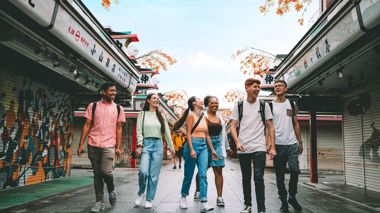
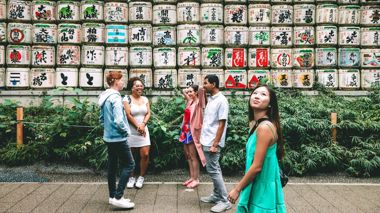
Here’s why it’d be silly not to consider going to Japan in off-season
And just in case you’re wondering WHEN shoulder season even is: it runs from early April to mid-June and mid-September to December.
The weather is still elite
Shoulder season weather might actually be better.
Late autumn in Japan means crisp air, golden leaves, and warm sunlight that’s perfect for long days exploring neighbourhoods or temple hopping. The maple foliage around Kiyomizu-dera or Lake Kawaguchi can be just as jaw-dropping as cherry blossoms, with the bonus of being way less chaotic.
Early spring can be equally dreamy. You’ll still see plum blossoms popping up around shrines, but with cooler temps that make walking around cities like Osaka far more comfortable.
Plus, rainfall is pretty minimal during these times, so if you love clear skies and hate getting wet, shoulder season is for you!
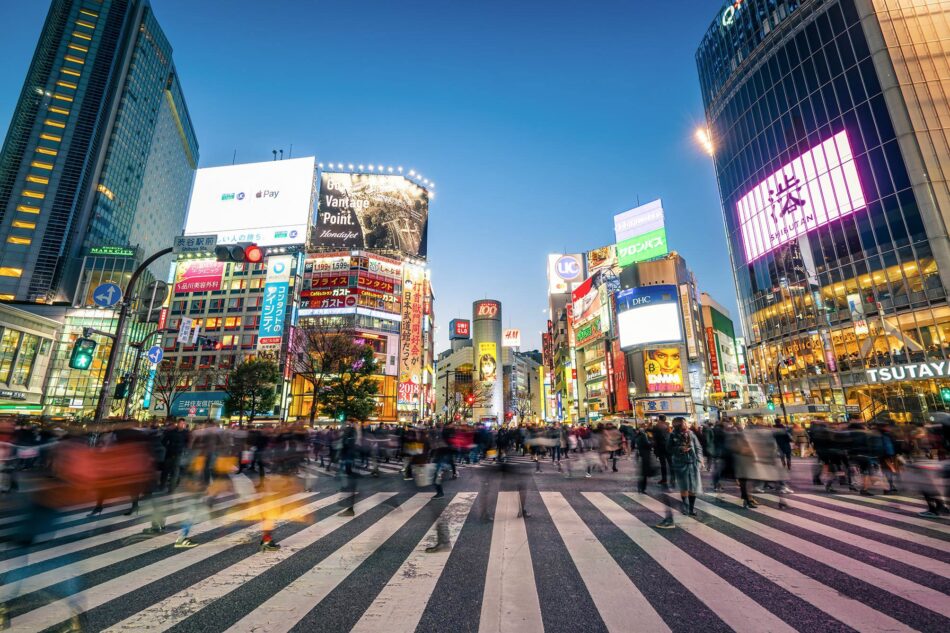
Image source: Getty
You’ll save $$$$
Peak season in Japan is expensive. Flight prices soar, popular accommodations can sell out months in advance, and ryokans suddenly feel like luxury splurges.
Travelling in shoulder season often means better deals on accommodation and a bit more flexibility with your itinerary. One the cherry blossom crowds have trampled back home and spammed their Instagrams with the exact same shot, you’ll have a wider array of places to choose from.
In other words: the same experiences, minus the price shock.
Shoulder season in Japan feels more local
The biggest reason shoulder season wins? Japan feels more like Japan.
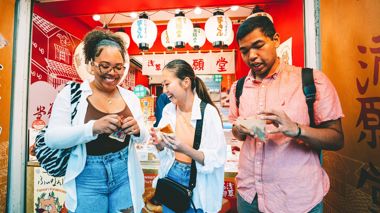
Without the peak-season rush, you get more time to soak up the everyday moments: grabbing ramen from a tiny neighbourhood spot, browsing local markets, or stumbling across a quiet shrine tucked down a side street.
Even busy districts like Shibuya Crossing feel a little less frantic when the tourism wave dips.
Fewer crowds, more Japan
When cherry blossom season hits Tokyo or Kyoto, the crowds are no joke. Parks fill up early, train stations buzz with tour groups, and that peaceful temple moment you imagined might involve a queue.
Visit just outside the peak – early spring or late autumn – and everything suddenly slows down. You can actually wander through bamboo groves in Arashiyama Bamboo Grove without feeling like you’re in a one-way human traffic jam.
One important thing to note about late-April and early-May in Japan…
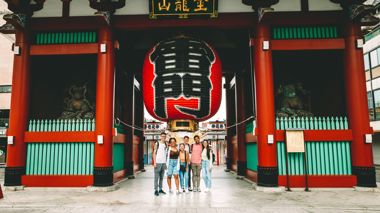
If you’re very, VERY keen to avoid crowds, Golden Week runs in Japan in 2026 from April 29 through to May 6. On the other hand, if you want to see a vibrant holiday period in Japan, Golden Week is one of Japan’s largest holiday periods of the year, with four national holidays being crammed into the space of seven days.
Ready to book Japan? Let us organise it for you. Find out more about our Japan trips here.