 Photo: Contiki
Ski resorts in Europe are famous for their high altitudes, excellent snow conditions, stunning views and fabulous après-ski. If you’re planning your first ski holiday to Europe, or even an expert at après-ski and just want to explore some new slopes, we can help! Here are 10 of the best ski resorts in Europe.
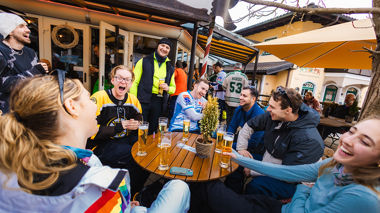
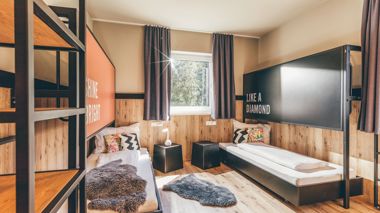
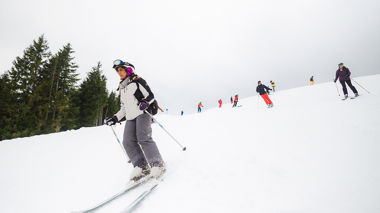
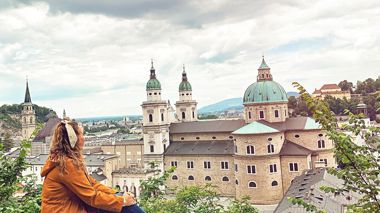
1. SkiWelt Wilder Kaiser in Brixental, Austria
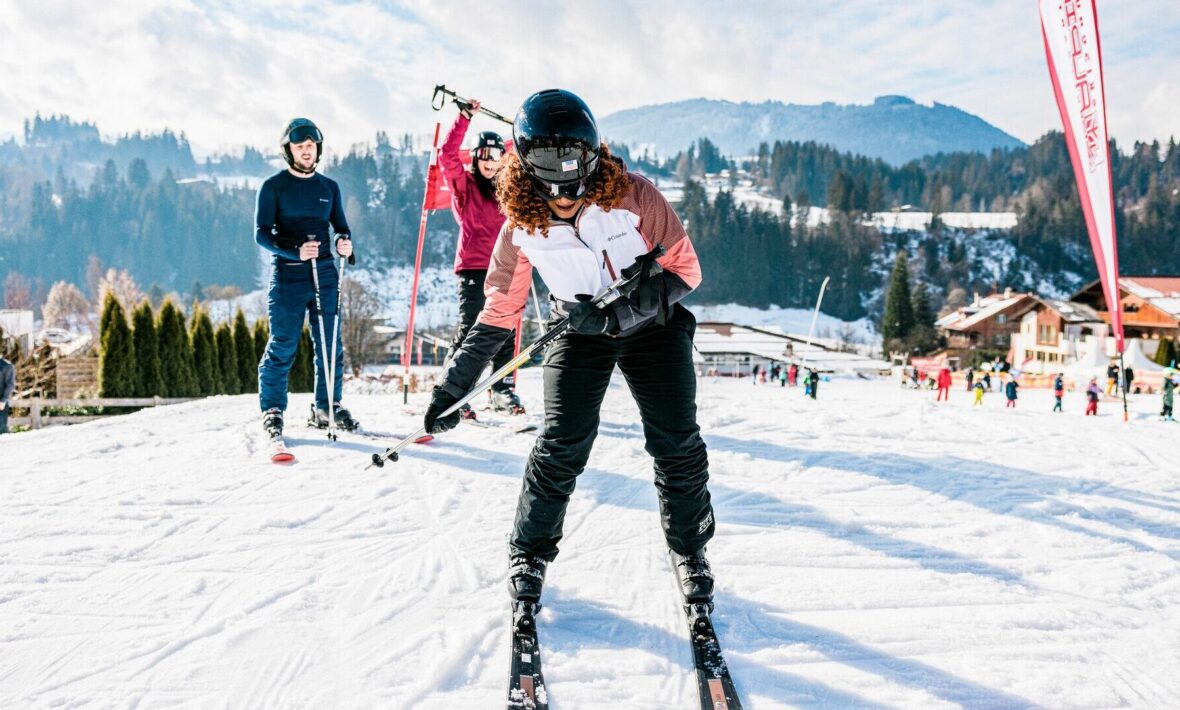
Whether you’re a beginner or experienced on the snow, this Austrian ski destination is a great option. SkiWelt Wilder Kaiser is one of the biggest ski resorts in the world, with over 275km of ski runs across 20 slopes and valley runs. Skiers who choose to come here will also have 90 lifts, a stunning view of over 70 mountains and 3 floodlit toboggan runs – what more could you want?
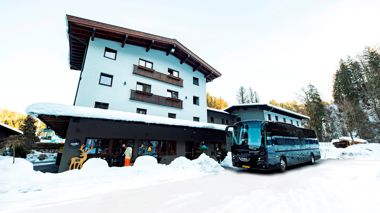
Unlike some other comparable resorts, SkiWelt Wilder Kaiser is easy to reach. It’s only one hour away from Munich, Innsbruck and Salzburg, and it’s reachable via car, train, plane or bus. Even better, you can stay at Contiki’s very own Haus Schöneck, nestled in the quaint Austrian Tyrol village of Hopfgarten.
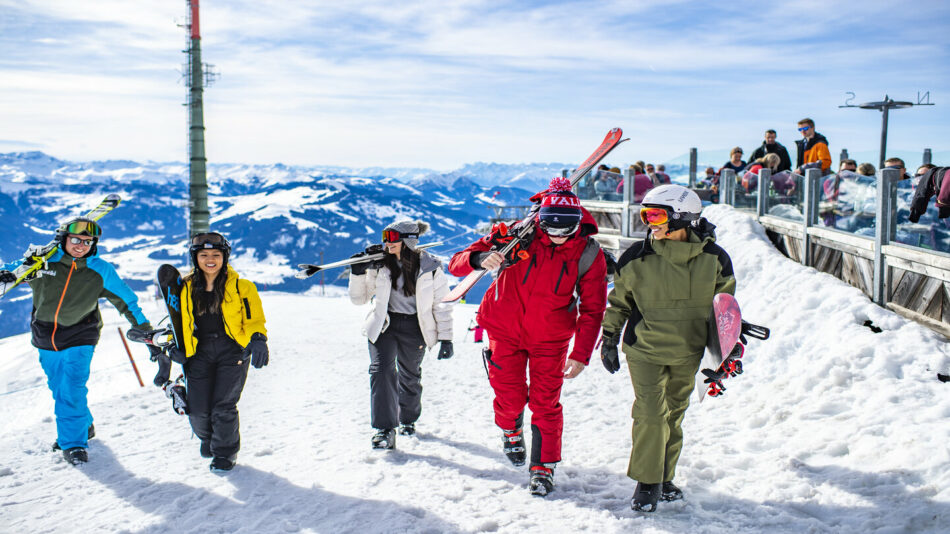
Image source: Contiki
2. St Moritz, Switzerland
This luxury alpine resort in Switzerland is known for its well-kept cross-country ski trails, amazing cable cars, and the plethora of celebrities that it attracts every year, like Claudia Schiffer, Kate Moss and Robert de Niro.
St Moritz has plenty of ski pedigree beyond that: it has hosted the Winter Olympics twice, and has popularised plenty of other off-slope activities like ice cricket and snow polo – so even non-skiers will have plenty to do to fill the time. There are also five-star hotels, world class bars, and a Michelin-starred restaurant set against its majestic mountain views. Not one for a budget holiday, but certainly a ski season you’ll never forget.
3. Courchevel, France
This epic French ski resort was created back in 1946 and every year it grows more and more popular. The resort is part of Les Trois Vallées, the largest linked ski area in the world, and is also one of the favorite destinations of the rich and royal.
If you are looking for snow-sure peaks, heavenly spas, and a great combination of beginner-friendly runs and blacks that will exhilarate even the most seasoned skiers, then Courchevel is for you. There are also top of the line culinary experiences here, with multiple Michelin star restaurants within the resort grounds. Some of the favourites include Le 1947 à Cheval Blanc, Pierre Gagnaire Pour Les Airelles at Hotel Les Airelles, and Le Kintessence at Le K2 Palace.
For those who enjoy a bit of night skiing, you can take advantage of the well-illuminated slopes until 8pm.
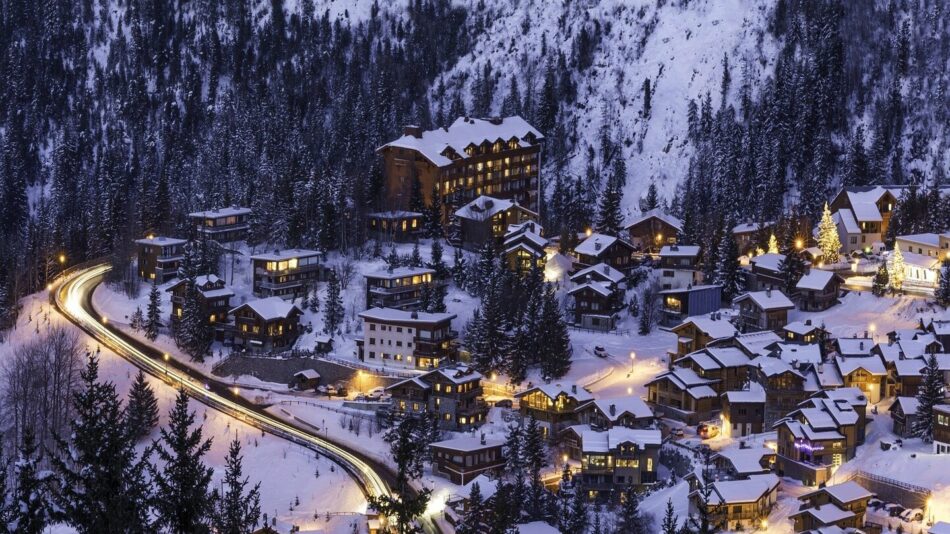
Image source: Pixabay
4. Kitzbühel, Austria
The ski slopes at Kitzbühel are among the best thanks to consistent snowfall. It’s not just great for experienced skiers, with excellent ski schools that can build beginner confidence and green pistes that offer a manageable challenge.
Non-skiers will also have fun in this resort with opportunities for shopping, as well as the chance to wander through the charming medieval centre. Those seeking some culture beyond the slopes can check out the brilliant museum that chronicles the town’s history.
This small Alpine town is located in the Western Austrian province of Tyrol and it’s easily accessible from Innsbruck, Salzburg or Munich airports, with short transfer times from each, either by car, bus or train.


5. Gstaad, Switzerland
Famous for its cross-country slopes, winter hiking trails, and glacier skiing, this upscale resort town in the Swiss Alps is definitely one of the best ski resorts in Europe. Gstaad also offers night skiing on the Eggli, Rinderberg, and Rougemont, a bewitching experience.
The resort boasts 200km of pristine ski slopes, a chalet architecture and plenty of traditional restaurants serving local dishes. It’s great for families too, with innovative learning parks, village ski lifts, and great junior ski schools.
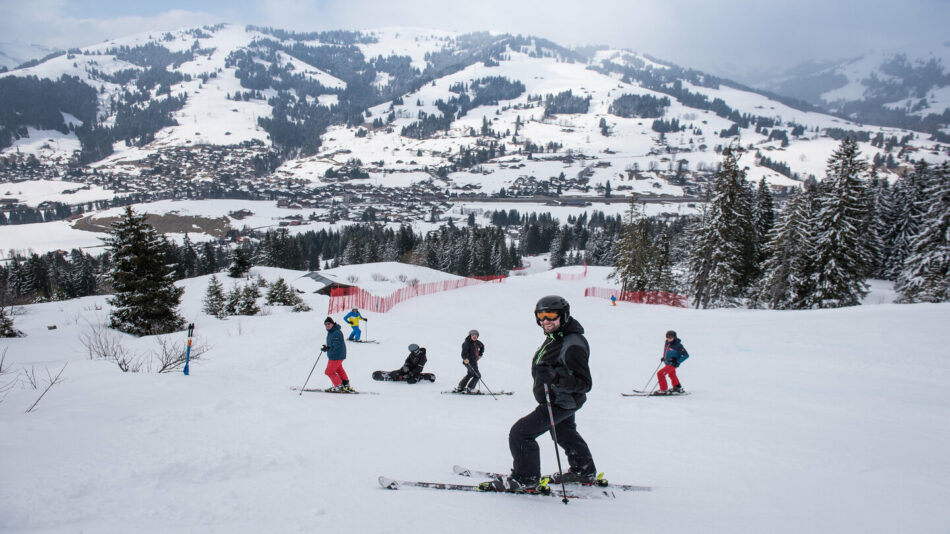
Image source: Switzerland Tourism / Flickr
6. Val Thorens, France
The highest ski resort on the continent, Val Thorens is beloved by visitors of all stripes because of its quality slopes and brilliant non-skiing options. Located in the Tarentaise Valley, Savoie, French Alps, it sits at an altitude of 2,300m, and shares a ski area with Val D’Isère.
Because of the high altitude the snow conditions are outstanding. The après-ski here is also one of the liveliest in France, with two of the best spots for indulging being Folie Douce and The Frog and Roastbeef. And, if zooming down the slopes doesn’t get the adrenaline flowing enough, you can also have fun go-karting, paragliding, and snowmobiling.
7. St. Anton, Austria
Often called ‘the cradle of alpine skiing’, this Austrian resort is famed for its excellent snow conditions, challenging off-piste terrain and legendary après-ski scene.
It has 300km of slopes, 200km of off-piste itineraries and a myriad of hotels, chalets and restaurants to choose from. Because of the nature of its terrain, we’d say that St Anton is a better match for more advanced skiers.
This resort also has some of the best apres-ski in the Alps, with venues like Mooserwirt, Krazy Kanguruh, and Das Basecamp gaining legendary status among those who love hitting the slopes in Europe.
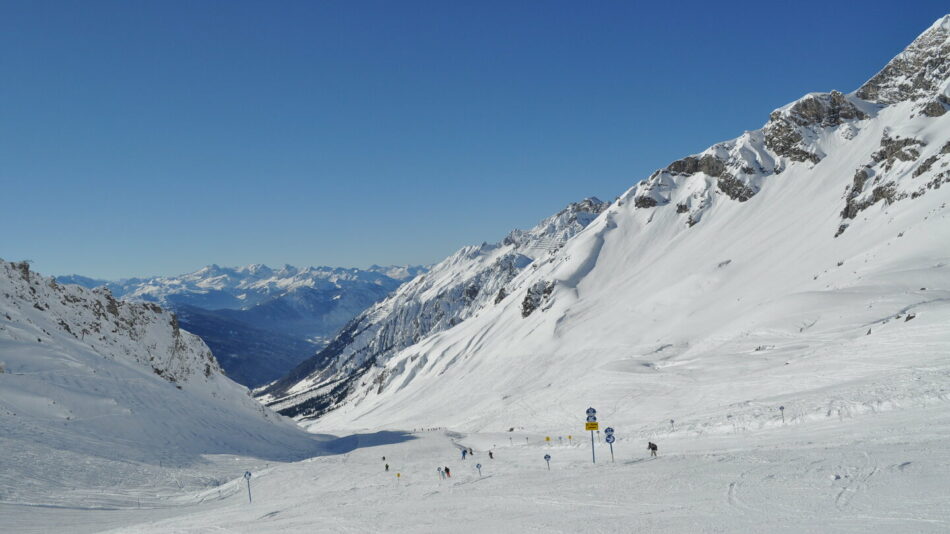
Image source: Pablo Monteagudo / Flickr
8. Zermatt, Switzerland
This idyllic Swiss Alps village has one of the most sublime alpine landscapes in Europe. The iconic Matterhorn looms over Zermatt, adding a dramatic element to ski runs.
With 360km of blue, red, black and yellow runs, a wide range of restaurants to choose from and fabulous après-ski options, this resort is bound to satisfy any type of skier.
Outside of skiing you can head to Matterhorn Glacier Paradise, the highest mountain station in Europe.
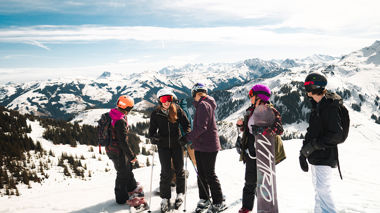
9. Les Arcs, France
One of the best ski resorts in Europe for beginners, this French resort is located in Savoie, and offers stunning views of La Rosiere and the highest peak in the Alps, Mont Blanc. It’s not just a place for beginners though – with 425km of skiable area, Les Arcs has enough variety to satisfy all ski enthusiasts.
The après-ski scene is a bit quiet here, although there is a good selection of bars and restaurants to fill your evenings. One of our top picks is Red Hot Saloon, where you’ll find live music, tasty food and long happy hours.
Image source: Tomas Yates / unsplash
10. Cortina d’Ampezzo, Italy
The only Italian entry on our list, but a fantastic place to book your ski holiday, Cortina d’Ampezzo is an excellent blend of stunning views, miles of varied slopes, and fantastic non-skiing options. This fashionable resort, also known as ‘Queen of the Dolomites’ is a UNESCO World Heritage Site and has a long tradition as a ski destination.
While the resort itself is magical, it can be a struggle to reach easily. The closest international gateway airports are Venice Marco Polo and Innsbruck, and from there the travel time to the resort would be approximately 2-2 ½ hours. With that said, it’s a small price to pay for experiencing a ski holiday in this iconic destination.

When is the best time to ski in Europe?
January to March is the best period of the year for skiing in Europe, as it allows time for snow to fall and settle.
What are the highest ski resorts in Europe?
Val Thorens is the highest ski resort in Europe, although many runs in Zermatt also go to quite high altitudes.
What are the best ski resorts in Europe for beginners?
Le Plagne and Alpe d’Huex in France are both well regarded for being good ski resorts for beginners. As mentioned above, Les Arcs is also an excellent resort for newbies.
Image source: Contiki
What are the cheapest ski resorts in Europe?
The cheapest ski resorts in Europe tend to be in Eastern Europe and the Balkans. However, you can do Alpine ski holidays without breaking the bank – just don’t expect to go somewhere like Courchevel and make savings!
What are the best après-ski resorts in Europe?
There is excellent après-ski across Europe, but some highlights are St Anton, Verbier, Courchevel, and Val Thorens. However, do your research as people’s definition of “good” après-ski will vary if they are families looking for top quality food and drink versus younger skiers who are looking for a more energetic experience.